
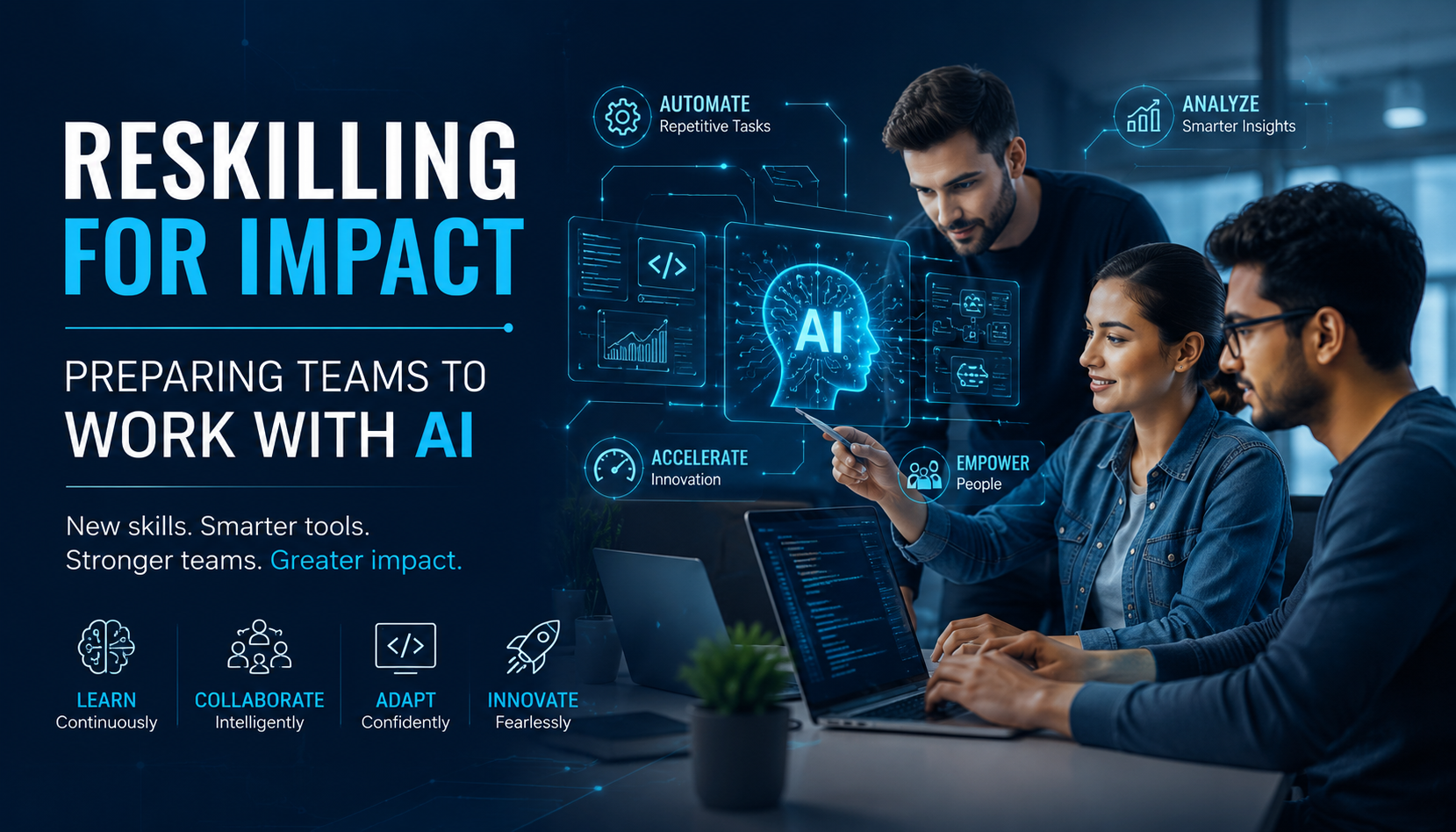
Reskilling for Impact: Preparing Teams to Work With AI
Artificial Intelligence is rapidly reshaping the technology industry. From software development and cybersecurity to cloud operations and data analytics, AI is becoming deeply integrated into how modern tech teams work. But despite fears surrounding automation, one reality is becoming increasingly clear: AI is enhancing human capability, not replacing it. The real transformation is not about machines taking over jobs — it is about professionals learning how to work smarter with intelligent systems. In today’s tech-driven environment, AI tools can generate

Beyond the Hype: Architecting the Enterprise AI Video Stack (Post-Sora)
By Lili Kazemi | Founder, The Human Edge of AI The recent exit of high-profile platforms like Sora has highlighted the most significant risk in the AI video space: Platform Dependency. For the C-suite and technical leadership, the goal is no longer finding the “best” model, but building a resilient, model-agnostic Video Infrastructure. In 2026, we have moved from “One-Prompt” generation to Multi-Agent Workflows. At Anant, we focus on how to integrate these tools into existing enterprise pipelines while maintaining
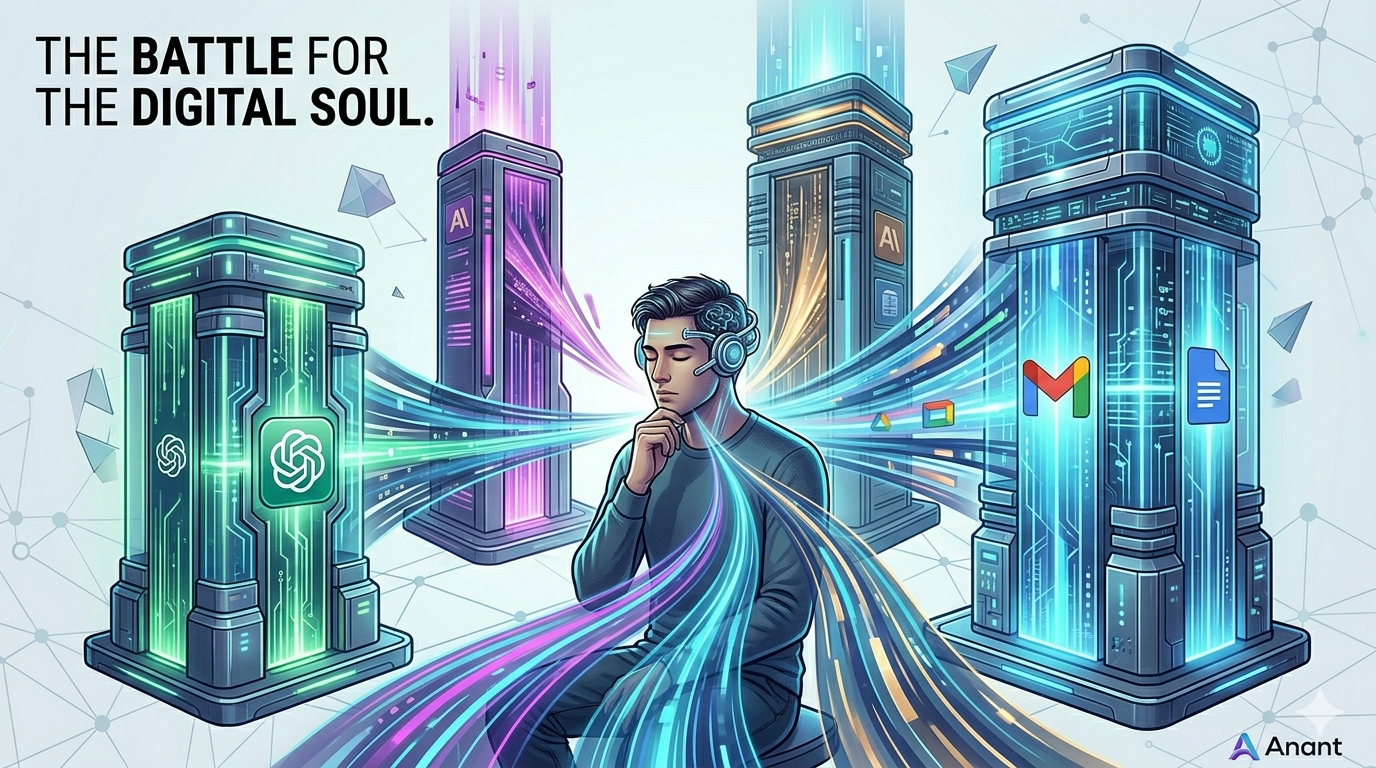
The Battle for the Digital Soul: Why 2026 Is the Year of Sovereign Memory
By Lili Kazemi | Founder, The Human Edge of AI Artificial intelligence is no longer defined by a small number of centralized models competing for dominance. The ecosystem has fragmented and democratized rapidly. Open models, specialized systems, enterprise deployments, ecosystem-native assistants, and memory-first architectures are all evolving simultaneously. As AI becomes more distributed, the real strategic question is no longer simply intelligence. It is sovereignty. Who controls the data, workflows, reasoning structures, and memory layers that increasingly shape how organizations
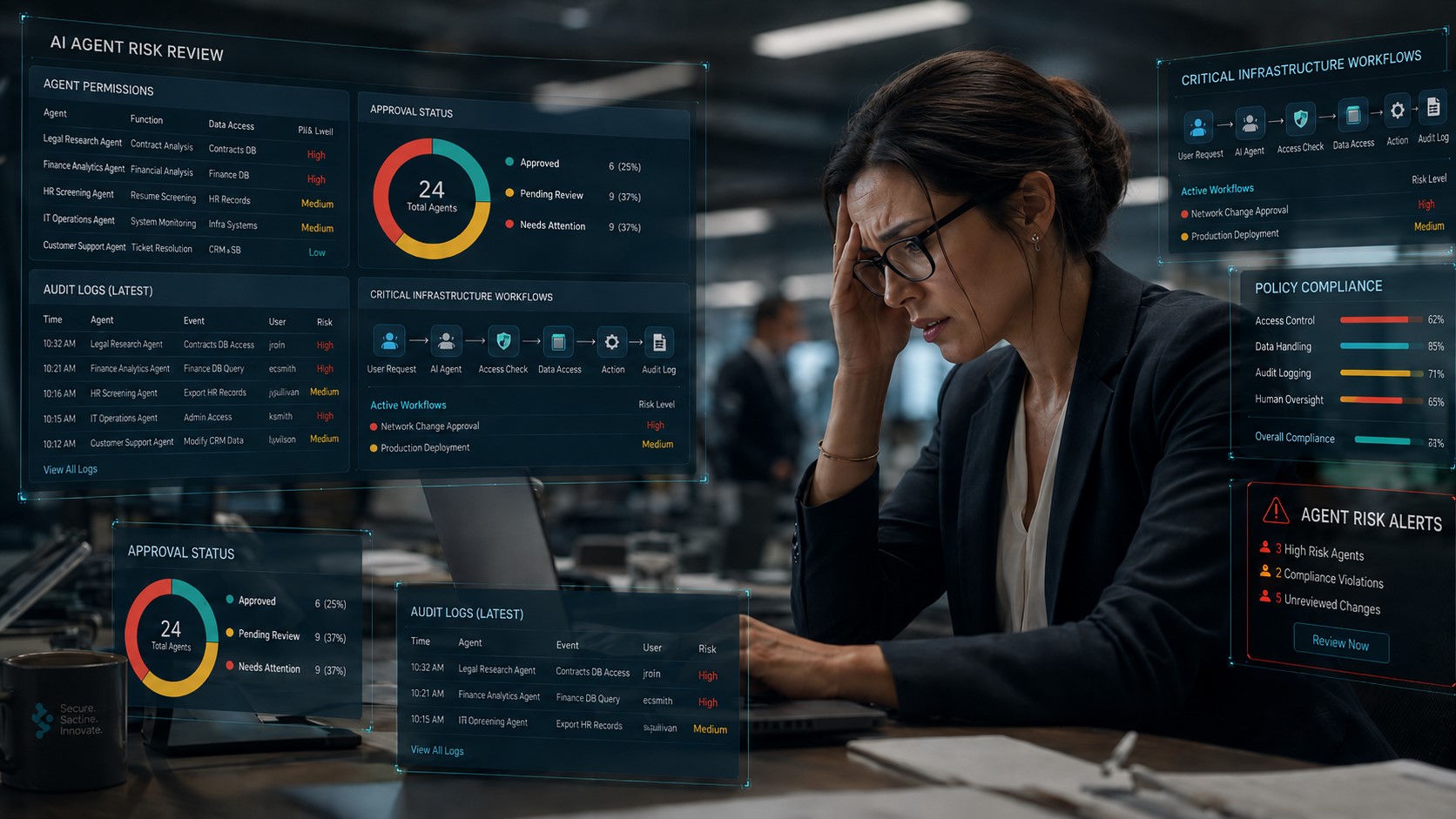
From Agent to Action: Navigating the Agentic AI Liability Gap in Critical Infrastructure
By Lili Kazemi | Founder, The Human Edge of AI For the past three years, the corporate world has been obsessed with the chatbot. We focused on hallucinations, data privacy, prompt engineering, and whether AI-generated answers could be trusted. But while we were debating what AI said, the technology changed. In 2026, the more urgent question is what AI can do. The shift from generative AI to agentic AI — systems that can plan, use external resources, access workflows, make
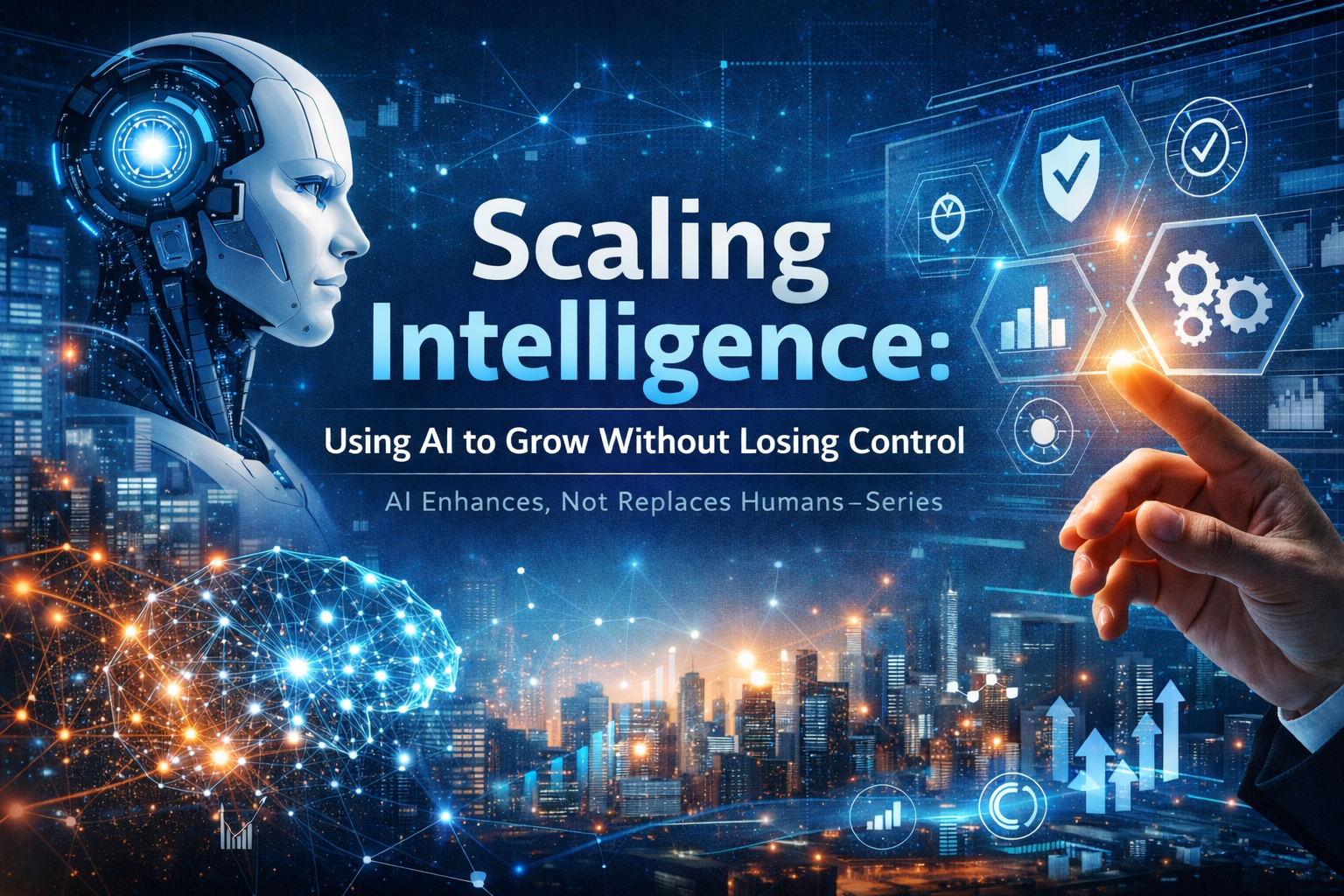
Scaling Intelligence: Using AI to Grow Without Losing Control
Part of the “AI Enhances, Not Replaces” Series Artificial Intelligence is no longer an experimental edge – it’s becoming the operational backbone of modern enterprises. In 2026, organizations are no longer asking “Should we use AI?” but “How do we scale it responsibly?” The real challenge isn’t adoption – it’s scaling intelligence without losing control. 🚀 The Shift: From Experimentation to Execution In early 2026, a clear pattern has emerged: AI success depends less on technology and more on execution.

We Have 10 Days Until Sora Shuts Down — Here’s What You Need to Do
By Lili Kazemi | Founder, The Human Edge of AI OpenAI is shutting down the Sora web and app experience on April 26, 2026, with the API following on September 24, 2026. Which means this is not theoretical anymore. If you’ve used Sora—or any AI video platform—this is your window to: This is not a think piece. This is a playbook. First: What I’m Doing (Real Workflow) I’ve been using Sora for DAOFitLife to create short-form, visual-first content around fitness

AI Won’t Replace You. It Will Reveal Your Value.
By Lili Kazemi | Founder, The Human Edge of AI This Is Not a Story About Losing Control. It Is About Taking It. “AI is going to replace our jobs.” The words have become an ominous drumbeat, louder with every round of layoffs and every viral report. Andrej Karpathy’s recent job visualizer captured the mood perfectly. It scores all 342 occupations in the Bureau of Labor Statistics handbook for “digital AI exposure,” and its logic is blunt: the more a

Human + Machine Workflows: Designing AI for Real Operations
(AI Enhances, Not Replaces Humans — Series) Artificial Intelligence is rapidly moving beyond experimental tools into the core of everyday business operations. From supply chains and marketing to IT infrastructure, organizations are embedding AI directly into their workflows. But the most successful implementations follow a simple principle: AI enhances human capabilities rather than replacing them. Instead of fully autonomous systems, modern enterprises are building human + machine workflows, where AI handles speed and scale while humans guide decisions, strategy, and

How to Talk to AI Vendors (Without Being an AI Tourist)
By Lili Kazemi | Founder, The Human Edge of AI A governance framework for law firms, general counsel, and sophisticated buyers Executive Summary AI adoption in legal services is no longer experimental. It is structural. For law firms and legal departments, AI systems influence legal work product, touch client data, generate discoverable records, and introduce dependency risk. The real exposure does not lie in how well the model drafts. It lies in: This article provides a structured, question-driven framework you