

How to Audit Your Professional AI: A Practical Framework for Businesses
Artificial intelligence is moving into customer support, software development, analytics, marketing, finance, human resources, and internal operations. Many organizations now use AI through everyday software as well as dedicated assistants, internal applications, and automated agents. The opportunity is significant, but so is the responsibility to understand what these systems do, what information they access, and how their performance is monitored. A professional AI audit is not simply a review of the model itself. It examines the complete workflow, including data,
How to Audit Your Personal AI: A Practical Guide to Safe and Responsible AI Use
Artificial intelligence has become part of everyday life. People use AI assistants to draft emails, summarize documents, learn new topics, plan projects, write code, and make sense of complex information. These tools can save time, but convenience should not be confused with reliability. An AI-generated answer can sound confident and still be wrong, and a tool that helps with a simple task may also have access to sensitive information or connected accounts. A personal AI audit is a straightforward way

7 AI Contract Terms That Protect the Record
What police reports can teach every organization handling sensitive data Contracts exist to allocate risk, and AI makes that risk harder to predict. Generative drafting and autonomous agents raise questions of safety, liability and unauthorized action that many standard technology agreements were not written to answer. Vendors also tend to prioritize model performance, flexibility and rapid deployment, while buyers focus on data protection, accountability and compliance. The contract is where those priorities are reconciled. We approach the question as a

It’s Bananas: The Third Circuit in ROSS Views Headnotes as ‘Creative Spark’
What the Third Circuit’s ROSS AI copyright opinion reveals about the creative spark AI copyright is reaching the federal courts of appeals, and the lines are becoming more specific. In September, the Ninth Circuit decided a narrow dispute about copyright management information in Doe v. GitHub. Thirteen days later, the Third Circuit affirmed a partial-summary-judgment ruling that original Westlaw headnotes were copyrightable and that ROSS’s use of them to train a competing legal-research platform was not fair use. These are

The Wild West of AI Ownership Is Still Taking Shape
What the latest copyright decisions mean for the human work inside AI A company can buy an AI service in an afternoon. Explaining the rights behind its training material, retrieved sources, and generated answers can take considerably longer. That gap between adoption and accountability remains one of the most important decisions facing enterprise leaders. This article is a sequel to The Wild West of AI Ownership and continues the Wild West of AI series. When I introduced the series in
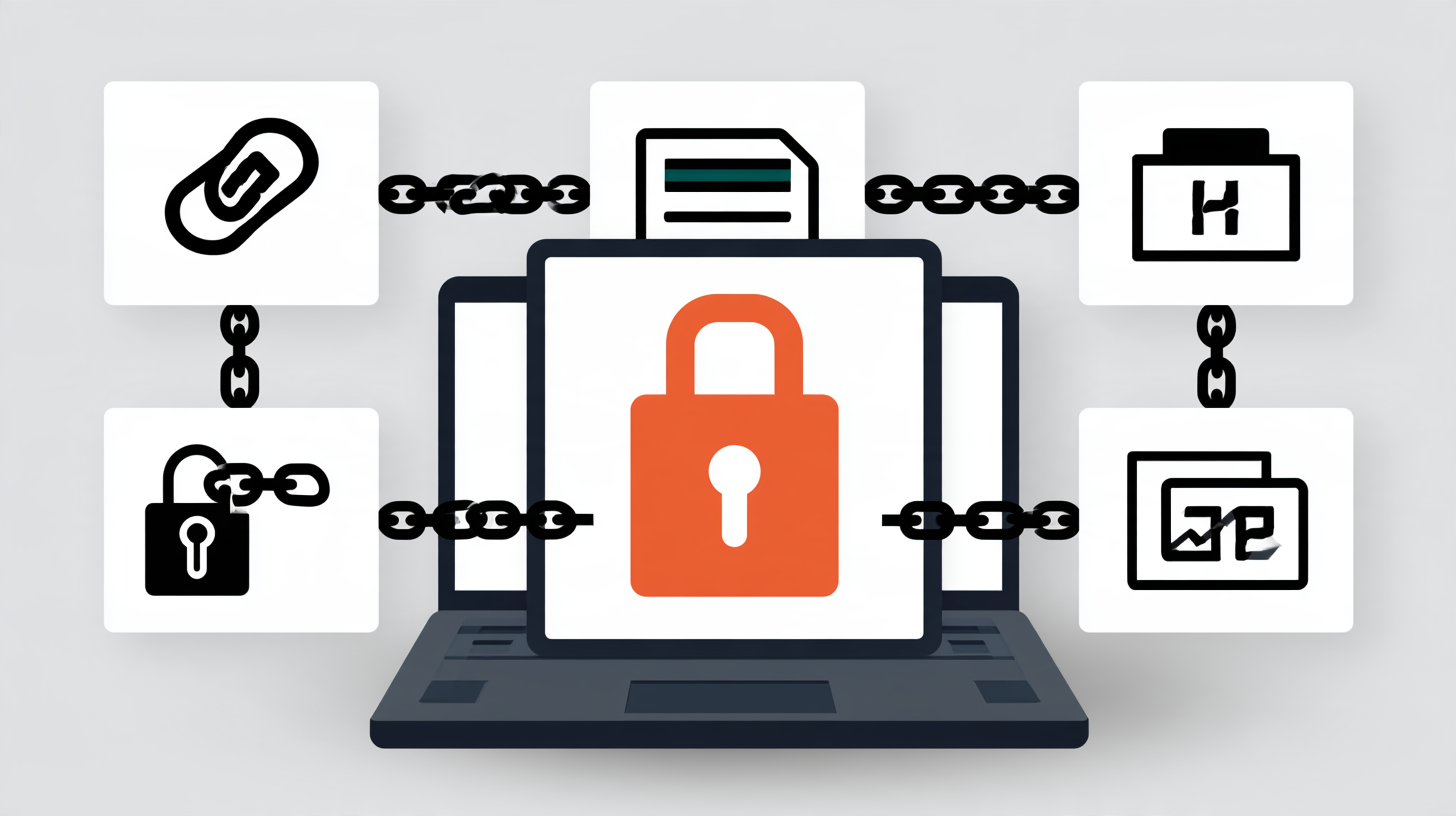
5 Chain-of-Custody Breakpoints When AI Touches Police Evidence
Why preservation, version history, and human authorization must be designed before AI reaches the case file By Chris Ryan and Lili Kazemi Chris Ryan Lili Kazemi An AI-assisted police report is created for an audience that includes people whose job is to test it. A supervisor may review it for completeness. A prosecutor may rely on it to make a charging decision. Defense counsel may examine it for the point where the source, the system, and the officer’s judgment no
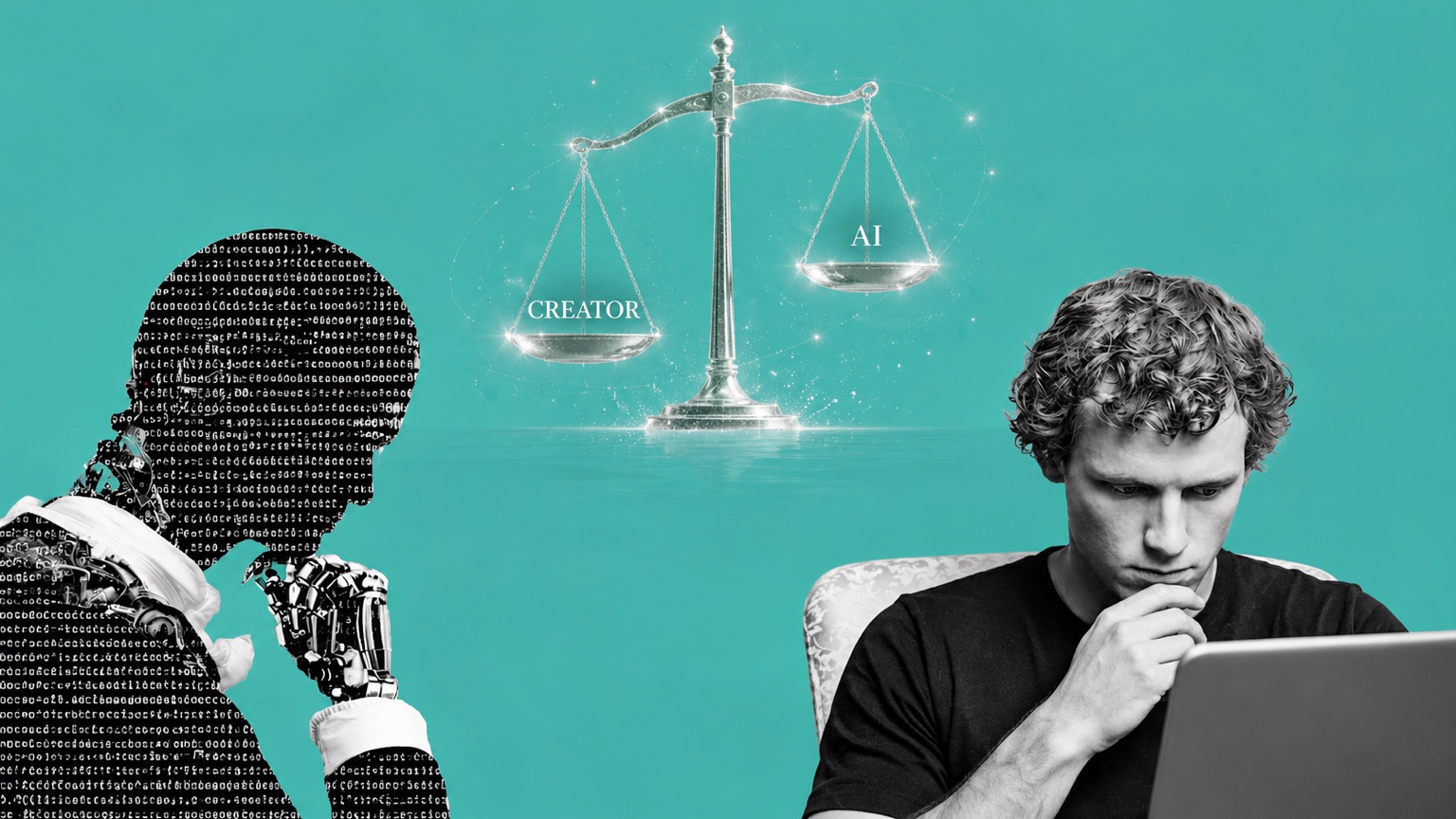
I’m Copyrighted, So Don’t Copy Me: Whose Intelligence Is It, Anyway?
From Silicon Valley to Foley Square: Mapping U.S. AI Copyright Risk Across the Value Chain Whose intelligence is it, anyway? That is the question beneath the U.S. copyright cases now testing generative AI, and it leads to an even harder one: what does AI owe, if anything, to the human sources that helped make its intelligence possible? The emerging U.S. law does not answer those questions with a single rule for “AI copying.” It is drawing separate legal lines across

Beyond ChatGPT: Ten Enterprise AI Workflows Every Nonprofit Should Build in 2026
Artificial intelligence has moved beyond simple chatbots and content generation. In 2026, nonprofits have an opportunity to use AI as part of the way work actually gets done, connecting people, data, documents, fundraising systems, communications, and decision-making. That distinction matters. Many nonprofit teams already use tools such as ChatGPT, Claude, Gemini, or Microsoft Copilot to write emails, summarize documents, brainstorm campaigns, or create social media content. But these are mostly individual AI tasks. The bigger opportunity is to build AI-powered
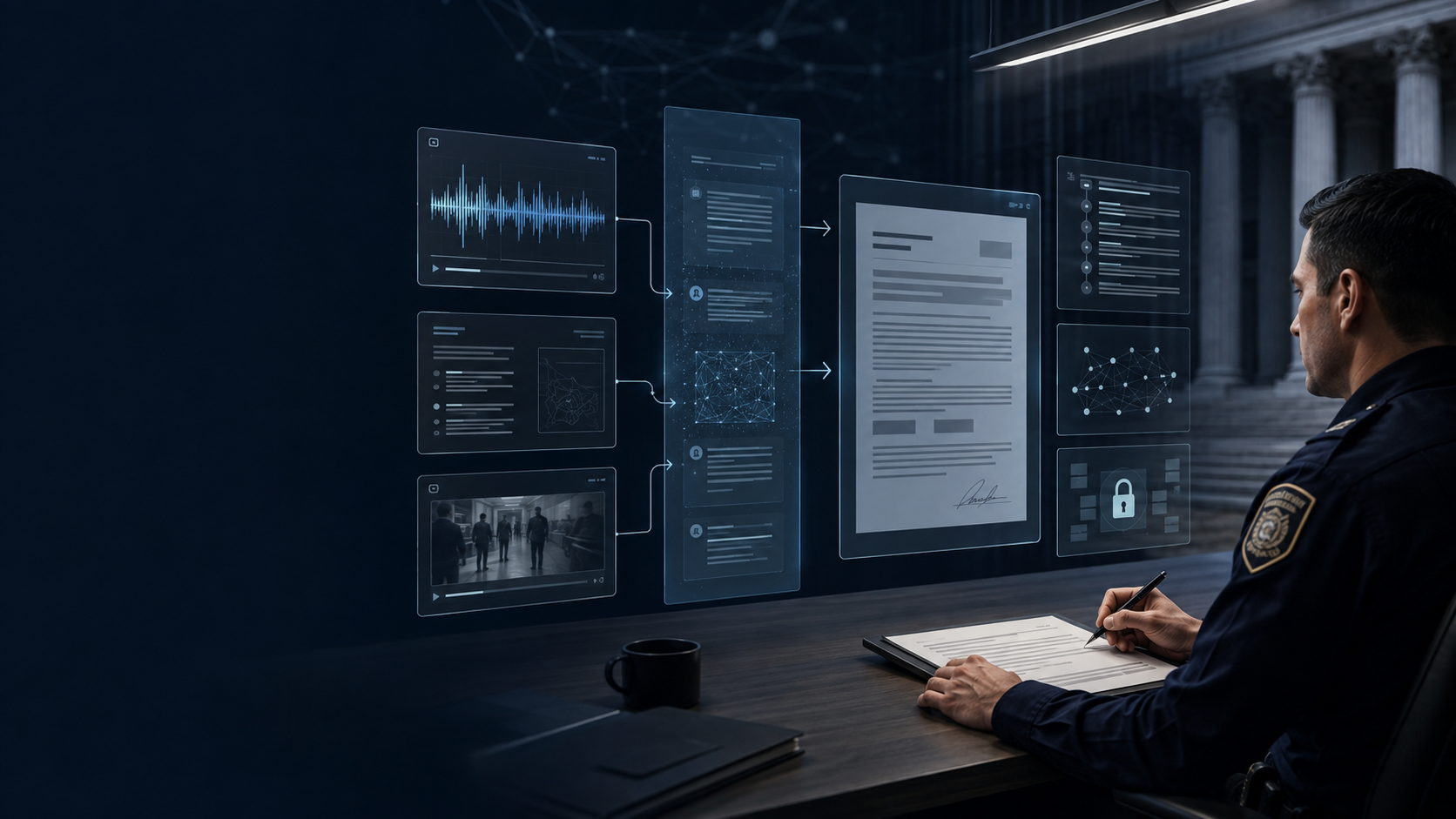
7 Questions Every Police Chief Should Ask Before AI Enters the Case File
Before an AI layer drafts, summarizes, or analyzes a police record, an agency should be able to explain the problem it is solving, the evidence it is transforming, the humans who remain accountable, and the controls that will make the final record defensible. By Chris Ryan and Lili Kazemi Chris Ryan Lili Kazemi In our earlier Q&A, When AI Becomes Evidence, Who Is Culpable?, Chris Ryan and Lili Kazemi examined what happens after an AI interaction enters an investigation. This